Exploring the world of HVAC service after purchasing a new home, this guide is a must-read for new buyers looking to navigate the ins and outs of AC repair. Get ready for a journey filled with valuable insights and essential tips to keep your HVAC system running smoothly.
Delve into the realm of HVAC maintenance and post-purchase inspections to ensure your home stays comfortable and cool all year round.
Understanding the HVAC System
When it comes to your HVAC system, it's important to have a good grasp of how it works and the components involved. This knowledge can help you identify any potential issues and ensure your system runs efficiently.An HVAC system consists of several key components that work together to regulate temperature and maintain indoor air quality.
These components include the furnace, air conditioner, ductwork, thermostat, and air filter.
How an HVAC System Works
An HVAC system works by heating or cooling air and then distributing it throughout your home via the ductwork. The furnace is responsible for heating the air, while the air conditioner cools the air. The thermostat acts as the control center, allowing you to set the desired temperature.
- The furnace heats the air by burning fuel or using electric resistance.
- The air conditioner cools the air by removing heat from inside your home and expelling it outside.
- The ductwork carries the conditioned air to different rooms in your home.
- The thermostat detects the temperature and signals the HVAC system to adjust accordingly.
Common HVAC Issues
It's not uncommon for HVAC systems to experience issues over time. Some common problems include:
- Dirty air filters, which can restrict airflow and reduce efficiency.
- Refrigerant leaks, leading to insufficient cooling.
- Thermostat malfunctions, causing inaccurate temperature readings.
- Worn-out components, such as belts or bearings, that may need replacement.
Importance of HVAC Maintenance
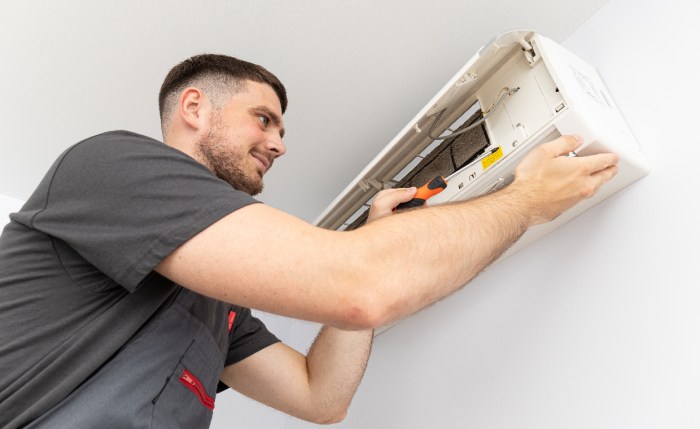
Regular maintenance for HVAC systems is crucial to ensure optimal performance and efficiency. By scheduling routine maintenance, homeowners can prevent costly breakdowns and extend the lifespan of their HVAC units.
Benefits of Regular Maintenance
- Improved Energy Efficiency: Regular maintenance helps HVAC systems operate more efficiently, reducing energy consumption and lowering utility bills.
- Enhanced Air Quality: Cleaning and replacing filters during maintenance appointments can improve indoor air quality by reducing dust, allergens, and pollutants circulating throughout the home.
- Extended Lifespan: Proper maintenance can help identify and address minor issues before they escalate into major problems, ultimately prolonging the lifespan of the HVAC system.
- Cost Savings: Investing in routine maintenance can save homeowners money in the long run by avoiding expensive repairs or premature system replacements.
Proactive Maintenance vs. Reactive Repairs
- Proactive Maintenance: By proactively scheduling regular maintenance, homeowners can address minor issues before they become major problems, leading to improved system performance and longevity.
- Reactive Repairs: Waiting until an HVAC system breaks down to seek repairs can result in higher costs, inconvenience, and discomfort for homeowners. Proactive maintenance is a more cost-effective and efficient approach.
Post-Home Purchase HVAC Inspection
When buying a new home, one crucial aspect that often gets overlooked is the inspection of the HVAC system. This step is essential to ensure that the heating, ventilation, and air conditioning systems are in proper working condition, and to avoid any unexpected repair costs in the future.
Why is it essential to inspect the HVAC system after buying a new home?
Inspecting the HVAC system post-home purchase is crucial as it allows you to identify any existing issues or potential problems that may require immediate attention. By conducting a thorough inspection, you can ensure that the system is functioning efficiently and safely, providing you with comfort and peace of mind.
What to look for during an HVAC inspection?
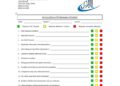
- Check the age of the HVAC system to determine if it is nearing the end of its lifespan.
- Inspect the air filters and ductwork for any signs of dirt, debris, or mold buildup.
- Test the thermostat to ensure it is accurately controlling the temperature.
- Check for any unusual noises or odors coming from the system.
- Inspect the outdoor unit for any damage or debris that may be obstructing airflow.
The importance of hiring a professional for a thorough inspection
While homeowners can perform basic checks on their HVAC system, hiring a professional for a thorough inspection is highly recommended. HVAC technicians have the expertise and tools to conduct a comprehensive assessment of the system, identifying any hidden issues that an untrained eye might miss.
Moreover, professionals can provide maintenance recommendations to ensure the longevity and efficiency of the HVAC system.
AC Repair Needs for New Homeowners
When moving into a new home, it's essential to be prepared for potential AC repair needs that may arise. Knowing common AC problems new homeowners may face, when to seek professional AC repair services, and how to find reliable HVAC service providers can save you time, money, and discomfort in the long run.
Common AC Problems for New Homeowners
- Refrigerant Leaks: Low refrigerant levels can affect cooling efficiency and lead to system breakdowns.
- Faulty Thermostat: Incorrect temperature readings or settings can cause HVAC systems to run inefficiently.
- Clogged Air Filters: Dirty filters restrict airflow, reducing system efficiency and indoor air quality.
- Electrical Issues: Faulty wiring or connections can lead to system malfunctions or even safety hazards.
When to Seek Professional AC Repair Services
- If your AC system is blowing warm air or not cooling effectively, it's time to call a professional for diagnosis and repair.
- Strange noises, unusual odors, or frequent cycling on and off are signs of potential AC problems that require expert attention.
- If you notice a sudden increase in energy bills without any changes in usage patterns, your AC system may be in need of repair.
Tips for Finding Reliable HVAC Service Providers
- Ask for recommendations from friends, family, or neighbors who have had positive experiences with HVAC technicians.
- Check online reviews and ratings to gauge the reputation and reliability of HVAC companies in your area.
- Verify licensing, insurance, and certifications to ensure that the HVAC service provider meets industry standards and regulations.
- Get multiple quotes for repair services and compare pricing, warranties, and service offerings before making a decision.
HVAC Service Contracts and Warranties
When it comes to HVAC systems, having an HVAC service contract can provide homeowners with peace of mind knowing that their system will be properly maintained and serviced as needed. These contracts often include regular maintenance visits, priority service in case of emergencies, and discounts on repairs or parts.
Benefits of Having an HVAC Service Contract
- Regular Maintenance: HVAC service contracts typically include scheduled maintenance visits to ensure that your system is running efficiently.
- Priority Service: In case of an emergency, contract holders usually receive priority service, which can be crucial during extreme weather conditions.
- Cost Savings: Many contracts offer discounts on repairs and parts, helping homeowners save money in the long run.
Types of Warranties Offered for HVAC Systems
- Manufacturer's Warranty: This warranty is provided by the manufacturer and typically covers parts for a certain period. It is important to register your HVAC system to activate this warranty.
- Extended Warranty: Homeowners can purchase extended warranties to cover additional years beyond the manufacturer's warranty. These warranties often include labor costs as well.
- Service Agreement: Some HVAC companies offer service agreements that cover maintenance and repairs for a specified period. These agreements can be customized based on the homeowner's needs.
Tips Before Signing an HVAC Service Contract
- Research: Take the time to research different HVAC service providers and compare their contract offerings to find the best fit for your needs.
- Read the Fine Print: Make sure to carefully review the terms and conditions of the contract, including what is covered, the length of the contract, and any exclusions.
- Ask Questions: Don't hesitate to ask the HVAC company any questions you may have before signing the contract to ensure you have a clear understanding of what is being offered.
Wrap-Up
In conclusion, staying on top of HVAC service after buying a new home is crucial for maintaining a comfortable living environment. By following the tips and guidelines provided in this guide, you'll be well-equipped to handle any AC repair needs that may arise.
Here's to a cool and stress-free homeownership experience!
Key Questions Answered
What are some common AC problems new homeowners may face?
New homeowners may encounter issues like refrigerant leaks, sensor problems, or clogged filters. It's important to address these problems promptly to prevent further damage to your HVAC system.
When should new homeowners seek professional AC repair services?
If you notice any strange noises, inconsistent cooling, or unusual odors coming from your AC unit, it's time to call in a professional for repairs. Ignoring these signs can lead to more extensive and costly damage.
What should new buyers consider before signing an HVAC service contract?
Before signing a contract, new buyers should carefully review the terms, including the services covered, costs, and duration of the agreement. It's also important to ensure that the HVAC service provider is reputable and reliable.