Embarking on the journey of selling your house quickly in Portland, Oregon involves considering the differences between iBuyers and traditional sales. This comparison delves into the intricacies of each method, shedding light on the most suitable option for your needs.
iBuyer vs. Traditional Sale Overview
When it comes to selling your house, you have two main options: using an iBuyer or going through the traditional sale process. Let's take a closer look at what each of these approaches entails.An iBuyer is a company that uses technology to make an offer on your home quickly.
They typically buy houses in cash, allowing for a faster sale process compared to traditional methods. iBuyers often aim to streamline the selling experience by eliminating the need for repairs, showings, and negotiations.On the other hand, a traditional home sale involves listing your property on the market with the help of a real estate agent.
This process usually includes staging the house, hosting open houses, and negotiating with potential buyers. While traditional sales can take longer, they may result in a higher sale price due to competitive bidding.
Comparing iBuyer and Traditional Sale Approaches
- iBuyers offer a quick and hassle-free selling experience, while traditional sales can be more time-consuming and require more effort.
- iBuyers may provide a cash offer upfront, whereas traditional sales often involve financing contingencies that can delay the closing process.
- Traditional sales allow for more personal interaction with buyers, while iBuyers rely on technology and algorithms to determine property value.
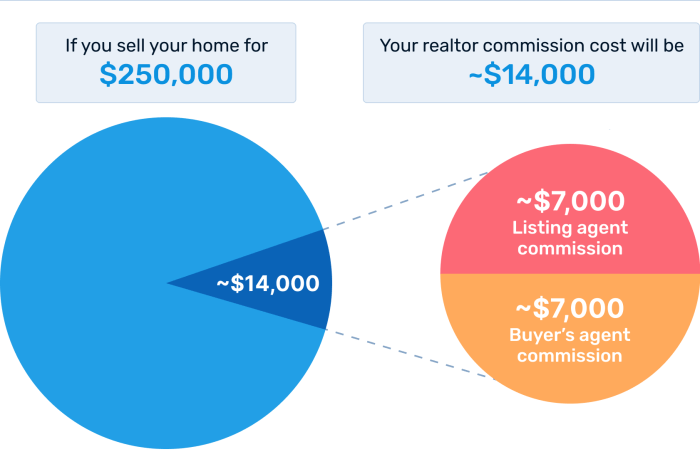
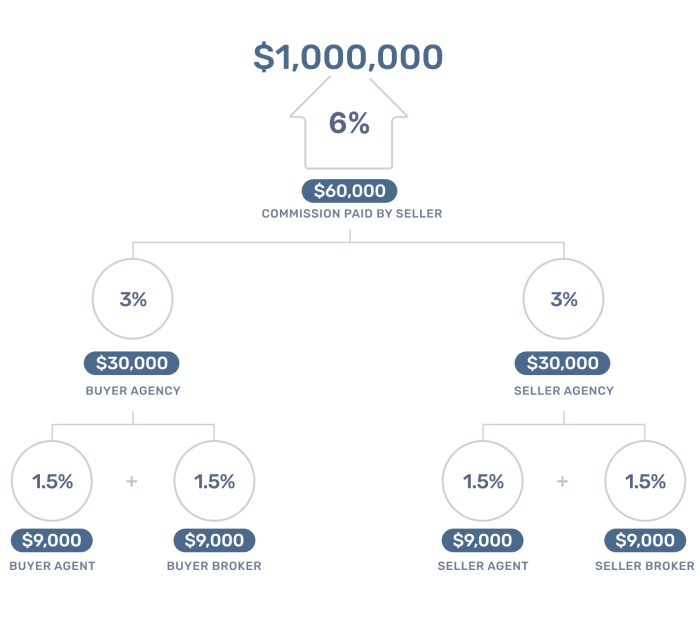
- iBuyers charge service fees that can range from 5-15%, while traditional real estate agents typically charge a commission of around 5-6%.
Pros and Cons of iBuyer
Selling to an iBuyer can offer convenience and speed, but it also comes with its own set of drawbacks. Let's explore the advantages and disadvantages of choosing an iBuyer over a traditional sale.
Advantages of Selling to an iBuyer
- Quick Sale: iBuyers typically offer a fast closing process, allowing you to sell your house within days or weeks.
- No Repairs Needed: iBuyers often purchase homes as-is, saving you the time and money required for repairs or renovations.
- Convenience: Selling to an iBuyer involves minimal hassle, with fewer showings and negotiations compared to a traditional sale.
Drawbacks of Choosing an iBuyer
- Lower Offer Price: iBuyers may provide lower offers than what you could potentially get on the open market through a traditional sale.
- Fees and Commissions: iBuyers may charge service fees or commissions, reducing your overall profit from the sale.
- Lack of Personalization: Working with an iBuyer might not allow for personalized negotiations or flexibility in the terms of the sale.
Situations Where Selling to an iBuyer is Beneficial
- Urgent Need for Cash: If you require quick access to funds, selling to an iBuyer can provide a speedy solution.
- Minimal Effort: For homeowners looking to sell without the hassle of showings or repairs, an iBuyer can be a convenient option.
- Non-Traditional Properties: If you have a unique or hard-to-sell property, an iBuyer may be more willing to make an offer compared to traditional buyers.
Pros and Cons of Traditional Sale
When it comes to selling your house through traditional methods, there are both advantages and challenges to consider. Here, we will explore the benefits and drawbacks of opting for a traditional home sale.
Benefits of Opting for a Traditional Home Sale:
- Personalized Marketing: With a traditional sale, you have more control over how your property is marketed and presented to potential buyers.
- Room for Negotiation: Traditional sales often allow for more room to negotiate the final selling price and terms of the deal.
- Local Expertise: Working with a real estate agent provides access to their local market knowledge and expertise, which can help in getting the best deal for your property.
Challenges Associated with a Traditional Selling Process:
- Time-Consuming: The traditional selling process can take longer compared to iBuyer transactions, involving multiple showings, inspections, and negotiations.
- Uncertainty: There is no guarantee of a quick sale with a traditional method, as the market conditions and buyer interest can fluctuate.
- Closing Costs: Traditional sales may involve higher closing costs, including agent commissions, repairs, and other fees that can eat into your profit.
Scenarios where a Traditional Sale might be More Advantageous:
- Unique Properties: If your property has unique features or is located in a niche market, a traditional sale may attract more specialized buyers.
- Emotional Attachment: For homeowners who have a sentimental attachment to their property and want to ensure it goes to the right buyer, a traditional sale allows for a more personal touch.
- Desire for Control: If you prefer to have more control over the selling process and negotiations, a traditional sale gives you the flexibility to make decisions based on your preferences.
Speed of Sale Comparison
When it comes to selling your house in Portland, Oregon, the speed of the sale can be a crucial factor in your decision-making process. Let's break down the typical timelines for selling to an iBuyer versus a traditional home sale in the area.
iBuyer Sale Timeline
Selling your house to an iBuyer in Portland usually involves a quick and streamlined process. From the initial offer to closing, the entire transaction can be completed in as little as a few weeks. iBuyers are known for their expedited timelines, allowing homeowners to sell their properties fast without the traditional hassles of listing, showings, and negotiations.
Traditional Home Sale Timeline
On the other hand, a traditional home sale in Portland follows a more conventional timeline. After listing your home, you may need to wait for potential buyers to schedule showings, make offers, and go through the negotiation process. On average, a traditional home sale in Portland can take anywhere from 30 to 60 days or even longer, depending on market conditions and buyer interest.
Comparison of Speed
When comparing the speed of completing a sale with an iBuyer versus a traditional sale, it's clear that iBuyers offer a much quicker and more efficient option for homeowners looking to sell fast. With an iBuyer, you can expect to close on your house in a matter of weeks, whereas a traditional sale can take significantly longer, potentially extending the timeline by a month or more.
If time is of the essence and you need to sell your house quickly in Portland, opting for an iBuyer might be the ideal choice for you.
Financial Implications
When it comes to selling your house, understanding the financial implications of choosing between an iBuyer and a traditional sale is crucial. Let's break down how pricing differs between these two options, discuss any additional costs or fees involved in selling to an iBuyer, and analyze the overall financial impact of your decision.
Pricing Differences
When selling to an iBuyer, the offer you receive is typically based on an automated valuation model (AVM) which takes into account various factors such as market trends, comparable sales, and the condition of your property. This can sometimes result in a lower offer compared to what you might get on the open market through a traditional sale, where buyers may be willing to pay more based on emotional value, competition, and negotiation.
Additional Costs and Fees
Selling to an iBuyer may involve additional costs and fees that you wouldn't necessarily encounter in a traditional sale. These can include service fees, repair costs, closing costs, and other expenses that are factored into the offer price. It's important to carefully review and understand all the fees associated with selling to an iBuyer to determine the net proceeds you'll receive.
Financial Impact Analysis
Choosing between an iBuyer and a traditional sale can have a significant financial impact. While selling to an iBuyer may offer convenience and a quick sale, it could result in a lower sale price and higher fees. On the other hand, a traditional sale might take longer but could potentially yield a higher sale price after negotiations and avoiding additional fees.
It's essential to weigh the pros and cons of each option carefully and consider your financial goals before making a decision.
Market Trends in Portland, Oregon
The real estate market in Portland, Oregon, is dynamic and influenced by various factors such as supply and demand, economic conditions, and interest rates. Understanding the current trends in the market can provide valuable insights for homeowners looking to sell their properties quickly.
iBuyers and Traditional Sales in Portland
In recent years, iBuyers have gained traction in Portland, offering homeowners a quick and hassle-free way to sell their homes. These companies use technology to make instant cash offers on properties, streamlining the selling process. On the other hand, traditional sales still dominate the market, with homeowners opting for the assistance of real estate agents to list their homes on the market.
Market Conditions Impacting Selling Decisions
The decision to sell a house fast in Portland can be influenced by market conditions such as inventory levels, pricing trends, and competition. In a seller's market with low inventory and high demand, homeowners may consider selling to an iBuyer for a quick transaction at a competitive price.
Conversely, in a buyer's market with more inventory and less demand, traditional sales might be more favorable to attract potential buyers and maximize profit.
Closing Summary
In conclusion, weighing the options between iBuyers and traditional sales is essential when aiming to sell your house promptly in Portland, Oregon. Understanding the nuances of each approach equips you with the knowledge to make an informed decision that aligns with your goals.
FAQ Guide
What is an iBuyer?
An iBuyer is a company that uses technology to make quick cash offers on homes, aiming for a faster selling process compared to traditional methods.
What are the drawbacks of selling to an iBuyer?
Some drawbacks include potentially receiving a lower offer, additional fees, and limited room for negotiation compared to traditional sales.
How long does it typically take to sell to an iBuyer?
Selling to an iBuyer usually takes around 1-2 weeks, providing a quicker alternative to the traditional selling process.
What financial impacts should I consider when choosing between an iBuyer and a traditional sale?
Factors such as pricing differences, fees involved, and overall profit margins should be carefully evaluated to make an informed financial decision.